


The creation of wait making can be traced back as far as 1505 and since has become a worldwide industry of creativity and technological advancements, all branded under one term; Haute Horlogerie. In this quick guide, I explain what Haute Horlogerie is. So, whether you’re an aspiring horologist or simply want to know more about the world that has captured the attention of millions, you can learn the art of haute horlogerie.
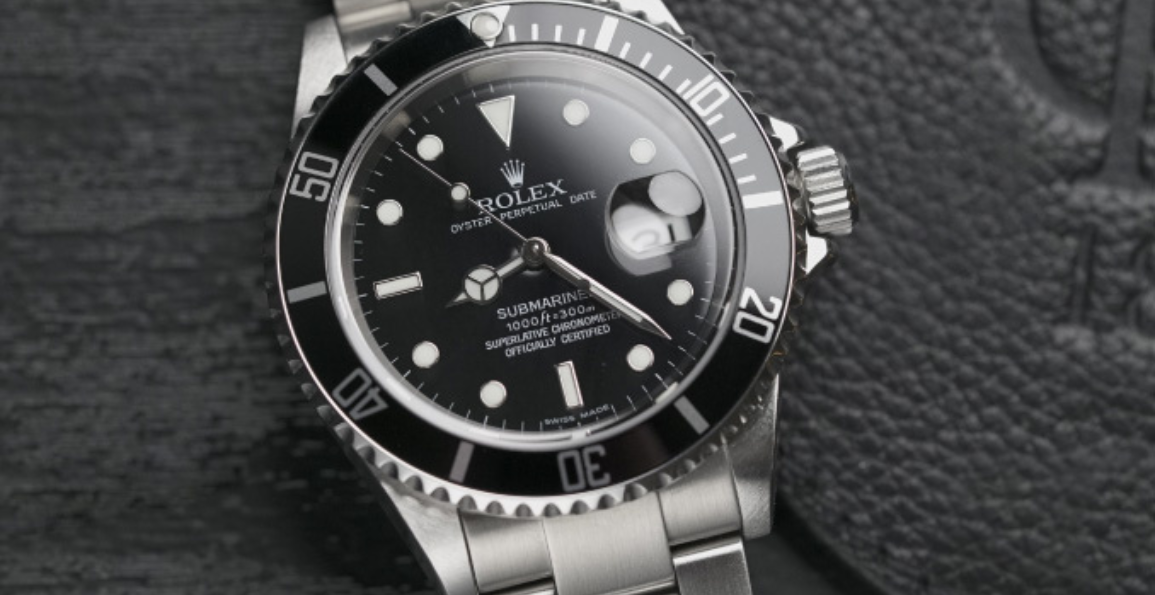
What Is The Meaning of Haute Horlogerie?
Haute horlogerie translates to “high watchmaking” in English. The process of watchmaking dates back to 1505 when Peter Henlein of Nuremberg was the first to create the portable pomander watch.
Since then, the world of watchmaking has grown at a rapid pace to become an industry bursting with innovation and luxury. So much so that there had to be a way to discern high-end watches from more affordable timepieces. That term is Haute Horlogerie.
Much like haute couture to fashion, haute horlogie is the best of the best when it comes to watchmaking. Only the highest standard of watch mechanics allows models to be considered a watch of haute horlogie.
More often than not, the terms “luxury watches” and “haute horlogerie” are used interchangeably. However, this is considered bad practice, as haute horlogerie watches go beyond the simplicities of basic watchmaking.
The Rise of Haute Horlogerie
Before the advent of quartz watches in the late 1960s, all timepieces were mechanical. However, during the 1970s and 1980s, battery-operated quartz watches quickly surpassed mechanical ones in popularity due to their affordability and practicality. The term “haute horlogerie” emerged around this period to distinguish expensive traditional mechanical watches from the more affordable and innovative quartz models.
As the 1980’s drew to a close and the Quartz Crisis began to lessen, those in favour of manufacturing mechanical watches were once again on top.

Features of Haute Horlogerie Watches
Now that we understand what haute horlogerie means in terms of expectations and branding, we can begin to discuss the factors that make a watch a piece of haute horlogerie.
1. The Complications
A complication is anything crafted into the watch above and beyond the mechanics of a simple timekeeper. Mechanisms such as tourbillons, moonphases, and power reserve indicators are considered complications that aid taking a watch to the haute horlogerie status.
Many haute horlogerie brands take pride in developing and constructing their mechanical movements in-house. Alternatively, when they use base movements, these brands extensively modify and embellish them to create pieces they are proud to brand with their name.
2. The Finish
While slightly more affordable and less luxurious brands can still provide an excellent finish to their watches and movements, haute horolergie has something that takes it one step further.
Those intricate touches such as polishing, chamfering, engraving, guilloche, and much more are what take a timepiece to the next level. With many brands adding a signature logo or brand to case back in their pursuit of perfection.
Many high-end watchmakers incorporate distinctive hallmarks on their timepieces to denote exceptional mechanics or craftsmanship. These can be industry-standard certifications like the Geneva Seal or Contrôle Officiel Suisse des Chronomètres (COSC), or proprietary guarantees such as the Patek Philippe Seal or Qualité Fleurier mark.
3. Meiter d'arts
Lastly, many watches of haute horlogiere are considered so due to the traditional artisan crafts, metier d’arts, used to create a unique dial. From enameling to miniature painting, these long-practiced techniques can take decades to perfect and are only implemented by the masters of horology.
Brands of Haute Horlogerie
With the above information in mind, can you think of any brands that exist in the luxurious world of haute horlogiere?
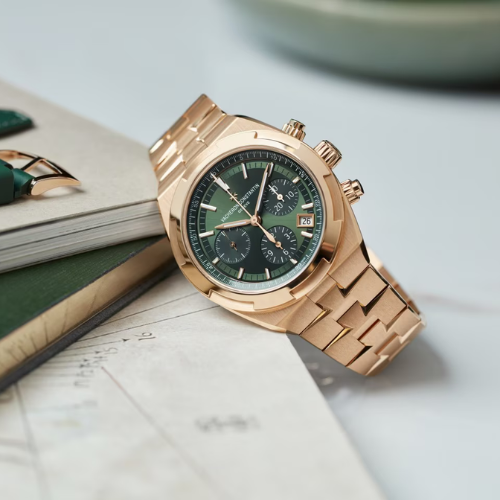
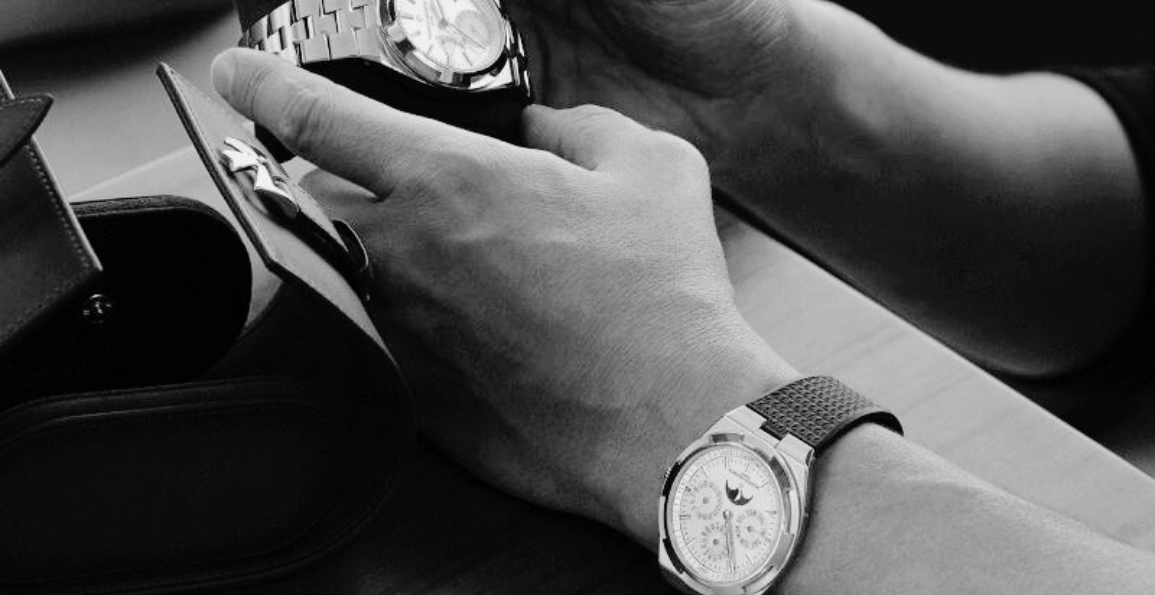
Today, there are numerous brands that all strive to be considered the best of horology, and while there are some that have done it since the beginning, like Patek Philippe, Vacheron Constatin, and Audemars Piguet (the Holy Trinity), there are others that are now climbing to the top.
The likes of Breguet, Jaeger-LeCoultre, and even Baume & Mercier are all refining their techniques and pushing the boundaries on technical advancements in order to become a brand of exquisite craftsmanship and wear the title of haute horlogiere.
Haute horlogerie has been a defining factor for the standard of watches since their beginning in 1505. From the creation of the pocket watch to the truly remarkable creation of wristwatches and smartwatches, there is a line between a great watch and haute horlogerie. Redefining the meaning of watchmaking and ensuring to continuously push horologists to their limits.