



How Are Lab Grown Diamonds Made?
For over 169 years, Chisholm Hunter has stood at the forefront of fine jewellery. Since our establishment in 1857, we have borne witness to profound evolutions in horology and gemmology. Today, we invite our discerning clientele to explore one of the most remarkable scientific achievements in modern luxury. If you have ever marvelled at a brilliant-cut stone and wondered how are lab grown diamonds made, you are not alone. The creation of these exquisite stones represents a harmonious blend of nature's ancient blueprint and cutting-edge human technology
It is vital to state from the outset that these are real diamonds, formed through advanced technology rather than mined from the earth. If you have already explored our comprehensive pillar guide answering what are lab grown diamonds, you will know that cultivated stones offer exceptional purity, outstanding value, and an ethically transparent provenance. As you begin your journey into our wider collection of lab grown diamonds, understanding their genesis provides a much deeper appreciation for their spectacular beauty.

The Science Behind Lab Grown Diamonds
To truly grasp the magnificence of a cultivated gemstone, one must delve into the very building blocks of the natural world. The fundamental science of diamond creation relies on recreating the exact subterranean environment where natural diamonds are forged over billions of years. By perfectly mirroring these subterranean conditions using intense heat, immense pressure, and pure carbon, modern science allows a diamond crystal to bloom safely above ground.
The result of this meticulous process is a gemstone that is chemically and physically identical to its mined counterpart. Both natural and cultivated stones share the precise cubic crystal structure of carbon atoms. This structural integrity guarantees that a cultivated diamond will exhibit the exact same refractive index, internal dispersion, and supreme hardness on the Mohs scale. For the eco-conscious buyer seeking absolute luxury, this scientific triumph ensures there is zero compromise on the brilliance, fire, or durability of the stone.
The journey to achieve this level of scientific perfection was decades in the making. Early experiments in the mid-twentieth century sought to replicate the Earth's mantle, but it took years of refinement to produce crystals of gem-quality clarity and size. Today, the jeweller's art benefits from two highly sophisticated growing techniques, each a marvel of modern engineering.
The HPHT Method (High Pressure High Temperature)
The High Pressure High Temperature process, commonly known as the HPHT method, is one of the primary techniques used by modern producers to cultivate gem-quality stones. This extraordinary method works by faithfully replicating the brutal, dynamic geological forces found deep within the Earth's mantle.
The process begins with a microscopic fragment of a natural or cultivated diamond, known as a diamond seed. This seed is placed within a specially designed containment chamber, surrounded by a source of pure, solid carbon. To facilitate the rapid growth of the crystal, a metallic catalyst is introduced to lower the extreme temperature required for the carbon to melt. These catalysts often consist of elements such as iron, nickel, or cobalt.
Once the chamber is sealed, the internal environment is subjected to staggering atmospheric pressure, often exceeding 1.5 million pounds per square inch. Simultaneously, temperatures are elevated to roughly 1,500 degrees Celsius. Under these extreme, volatile forces, the solid carbon source melts. As the molten carbon carefully cools, it begins to slowly crystallise around the original diamond seed, forming a magnificent, rough diamond crystal over the course of several weeks. Once the growth is complete, the rough stone is meticulously extracted, ready to be analysed and cut by master gemmologists.
The CVD Method (Chemical Vapour Deposition)
The second, highly sophisticated technique available to modern science is Chemical Vapour Deposition, or the CVD method. This process takes a distinctly different scientific approach, utilising the delicate manipulation of superheated gases rather than the crushing geological pressure of the HPHT method.
In the CVD method, a microscopic slice of a diamond seed is carefully placed inside a highly controlled, sealed vacuum chamber. The chamber is subsequently filled with a precisely calibrated, carbon-rich gas mixture, most commonly methane, alongside pure hydrogen. Using intense microwave energy, these gases are heated until they break down into a superheated plasma state.
As the molecular bonds of the gas dissolve within this plasma, pure carbon atoms are completely liberated. These liberated carbon atoms then precipitate downwards, depositing themselves onto the diamond seed. The gemstone is painstakingly grown atom by atom, layer by layer, in a process that can take up to a month to yield a significant carat weight. This highly refined method allows for incredible, microscopic control over the internal purity of the final crystal, often resulting in stones with exceptional clarity ratings.
Are There Differences in Quality Between Lab Grown Diamond Methods?
When exploring the fascinating origins of these stones, a natural question arises regarding the superiority of one technique over the other. We can assure our clients that both the HPHT and CVD methods are fully capable of producing exceptional, gem-quality diamonds. These stones are perfectly suited for the finest jewellery collections, from exquisite engagement rings meant to last a lifetime to resilient, everyday wear pieces.
It is crucial to understand that any differences between diamonds are assessed on a strictly individual stone basis, rather than being dictated by the specific growth method itself. The true indicators of a diamond's quality remain the universally recognised 4Cs: Cut, Colour, Clarity, and Carat. A CVD diamond and an HPHT diamond with identical 4C grades will look entirely indistinguishable to the naked eye, each offering a breathtaking display of fire, scintillation, and brilliance.
We wish to reassure our readers that continuous advances in diamond-growing technology mean both methods now consistently produce diamonds with excellent brilliance and lasting durability. Neither method results in an inferior or "less real" diamond. Whichever origin story your chosen stone holds, you can confidently browse our extensive collection of lab grown diamonds, knowing that only the finest examples meet the exacting "A Cut Above" standards of Chisholm Hunter.
Certification of Lab Grown Diamonds
Transparency, expertise, and trust are the foundational cornerstones of the Chisholm Hunter experience. We deeply understand that purchasing fine luxury jewellery is a significant emotional and financial investment. Therefore, it is paramount to explain that lab grown diamonds created using both HPHT and CVD methods are rigorously graded and certified using the exact same internationally recognised standards applied to natural, mined diamonds.
Independent gemmological laboratories evaluate lab grown diamonds against the strict parameters of the 4Cs. This uncompromising assessment ensures absolute transparency and consistency across the market, regardless of exactly how the diamond was formed. Whether a stone was forged deep in the Earth's mantle or cultivated in a high-tech vacuum chamber, its quality is measured by its light performance, internal purity, lack of colour, and precise carat weight.
At Chisholm Hunter, we pair this independent oversight with our own heritage of gemmological expertise. Our in-house specialists scrutinise every stone to ensure the cut is masterful, guaranteeing that light is perfectly refracted back to the observer. For a deeper, more detailed dive into this vital grading system, we encourage you to read our comprehensive guide on Understanding Diamonds: The 4 Cs.
Where Lab Grown Diamonds Are Used in Jewellery
The remarkable physical purity and accessible value of cultivated diamonds have inspired a true renaissance in modern jewellery design. Because these stones are physically and chemically identical to mined diamonds, they offer the exact same enduring resilience, making them incredibly ideal for bespoke pieces designed to be worn and cherished every single day.
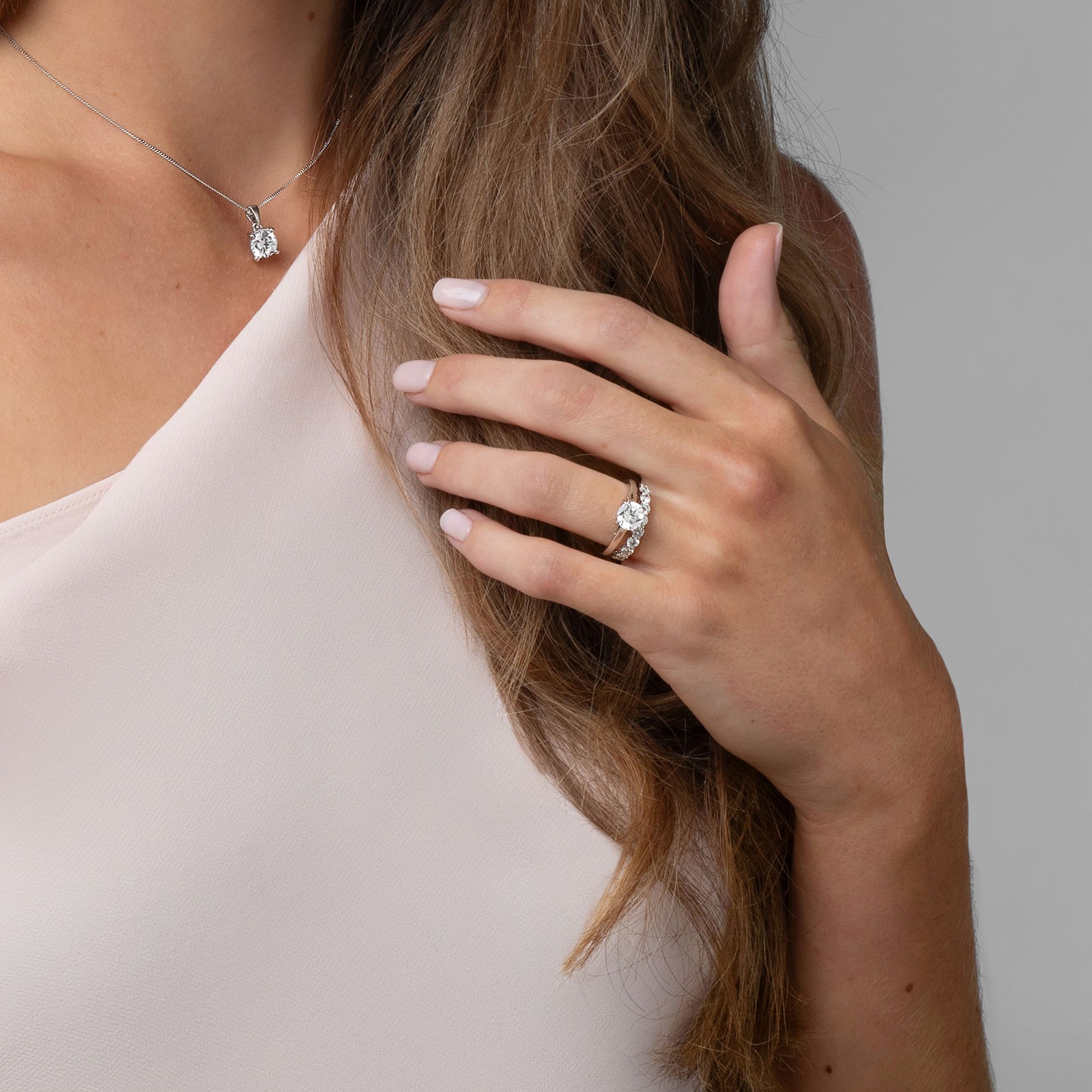
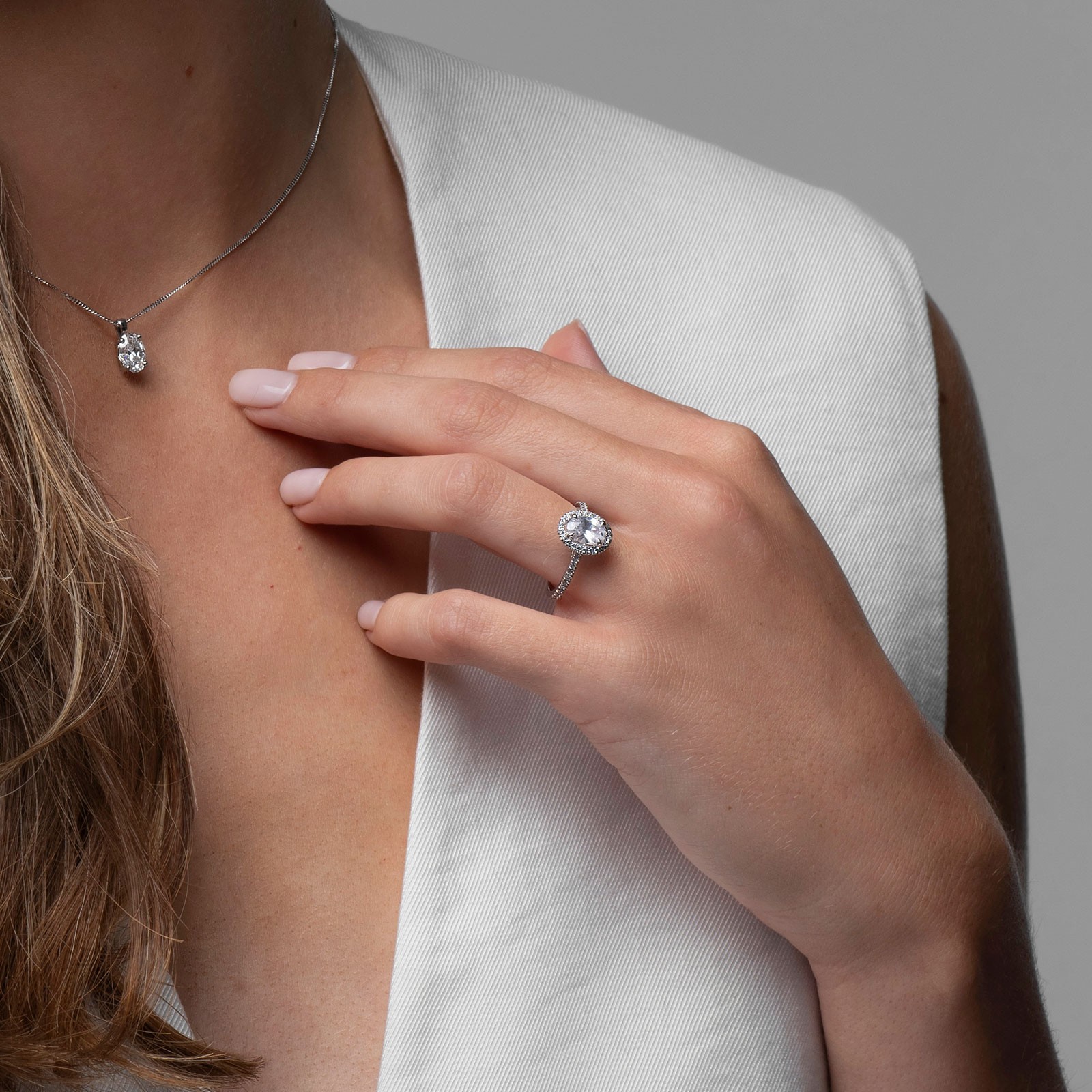
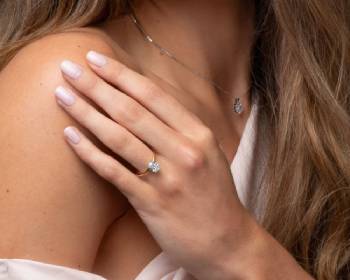
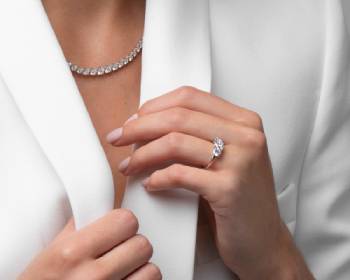
At the absolute forefront of this movement are our spectacular lab grown diamond rings. For the modern couple, a cultivated centrepiece offers the unique opportunity to select a more substantial carat weight or a flawless clarity grade, beautifully symbolising their commitment with a stone of truly breathtaking proportions.
Beyond bespoke bridal wear, these cultivated gems effortlessly elevate everyday elegance. A pair of scintillating lab grown diamond earrings serves as a quintessential wardrobe staple for the contemporary luxury consumer. Whether framing the face with classic, brilliant-cut studs or adding elegant movement with sophisticated drop designs, cultivated diamonds provide a brilliant focal point that transitions fluidly from daytime sophistication to evening glamour.
In Summary
In conclusion, the journey from a microscopic carbon seed to a masterfully cut gemstone is an undeniable marvel of modern science. By flawlessly replicating the profound forces of nature, the HPHT and CVD methods have democratised access to exceptional beauty, entirely without compromising on the physical, optical, or chemical realities of the stone.
For the eco-conscious jewellery buyer, these diamonds represent a highly sought-after alignment of absolute luxury and mindful consumption. They offer the legendary durability, fire, and brilliance of a natural diamond, seamlessly coupled with the peace of mind that comes from total transparency. We hope this comprehensive guide has reinforced your utmost confidence in choosing a cultivated stone for your next momentous occasion. We warmly invite you to continue your education and explore our article, What Are Lab Grown Diamonds?, to further inform and guide your purchasing journey.
Frequently Asked Questions
How are lab grown diamonds made?
Lab grown diamonds are meticulously crafted in highly controlled laboratory environments using two primary methods: High Pressure High Temperature (HPHT) and Chemical Vapour Deposition (CVD). These sophisticated techniques carefully replicate the intense natural conditions required for carbon atoms to crystallise into a diamond, resulting in a gemstone that is physically and chemically identical to one mined from the earth.
What materials are used to make lab grown diamonds?
The foundational material for any genuine diamond is pure carbon. In the HPHT method, a tiny diamond seed is placed alongside solid carbon and a metallic catalyst to facilitate growth. In the CVD method, the diamond seed is exposed to a carbon-rich gas mixture, such as methane, which is broken down into a superheated plasma state to deposit pure carbon atoms directly onto the growing crystal.
Are lab grown diamonds real diamonds?
Yes, lab grown diamonds are entirely real diamonds. They possess the exact same three-dimensional crystalline structure, chemical composition, and optical properties as naturally mined diamonds. They achieve a flawless ten on the Mohs scale of mineral hardness and exhibit the precise same refractive brilliance, making them completely indistinguishable from natural stones to the naked eye.
Can you tell how a lab grown diamond was made?
To the naked eye, or even under a standard jeweller’s magnifying loupe, it is impossible to determine whether a diamond was grown using the HPHT or CVD method. Furthermore, it is impossible to visually distinguish them from mined diamonds. Identifying the specific growth method requires highly specialised, advanced laboratory equipment that can detect microscopic growth patterns unique to the respective scientific processes.
Are lab grown diamonds certified?
Absolutely. Lab grown diamonds are rigorously evaluated and certified using the exact same internationally recognised grading standards as mined diamonds. Independent gemmological laboratories assess each stone based on the 4Cs: Cut, Colour, Clarity, and Carat. This comprehensive certification process provides buyers with total transparency and absolute confidence in the quality and authenticity of their chosen stone.